For many toy startups, a lower MOQ seems like lower risk—but in practice, it often backfires. Pushing MOQs too low typically leads to a lot of challenges: higher unit costs, manufacturing inefficiencies, inconsistent quality, and unreliable delivery. At the same time, it makes it difficult to develop meaningful differentiation, leaving products more prone to commoditization, price-driven competition, and ultimately, a failed launch.
So the real question isn't, "Can we go even lower on MOQ?" It's, "Is this MOQ sustainable for stable production and long-term competitiveness?"
For toy brands still in the market-validation phase, choosing a realistic MOQ that is executable, controllable, and sustainable matters far more than chasing the lowest number possible.
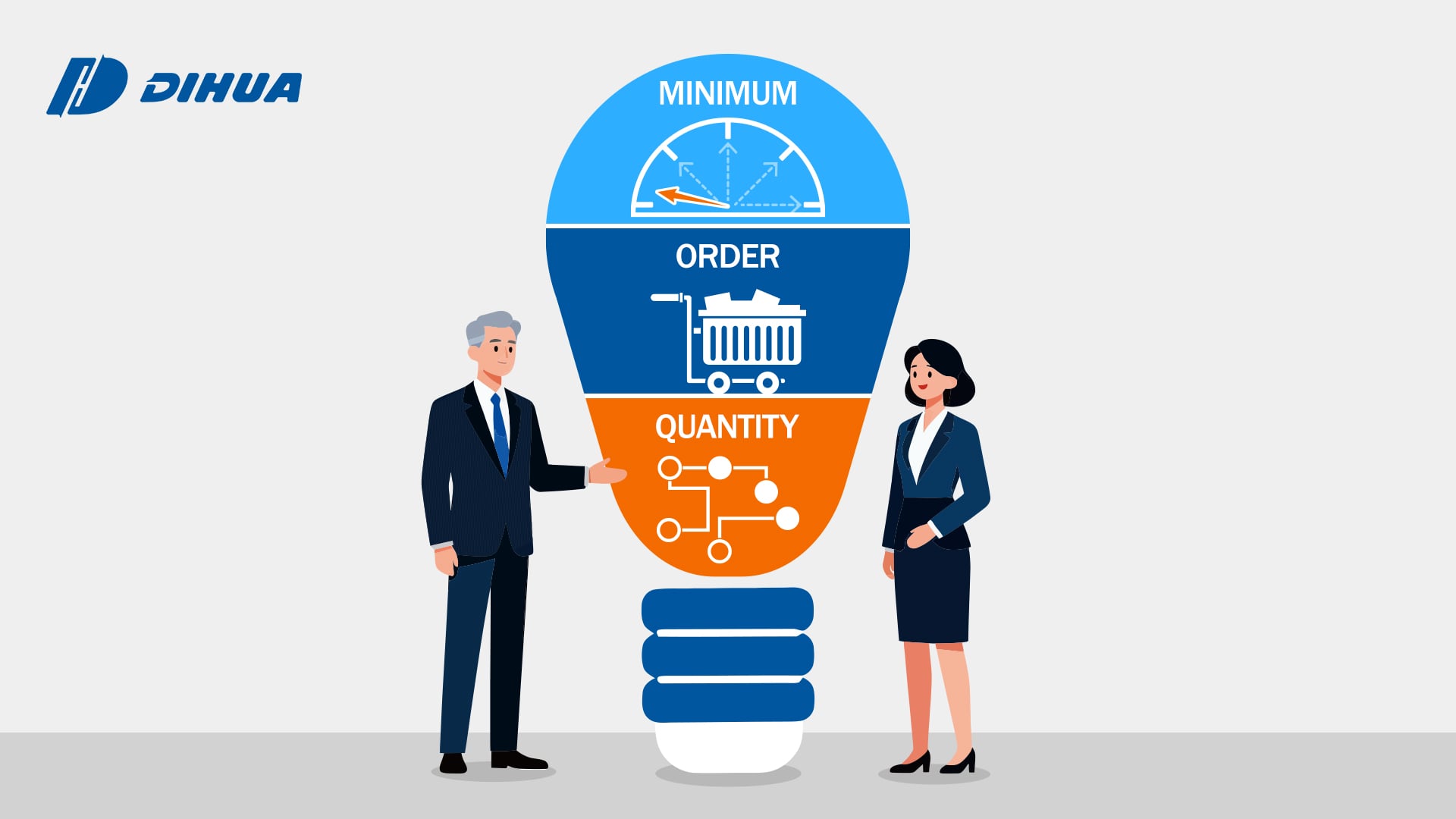
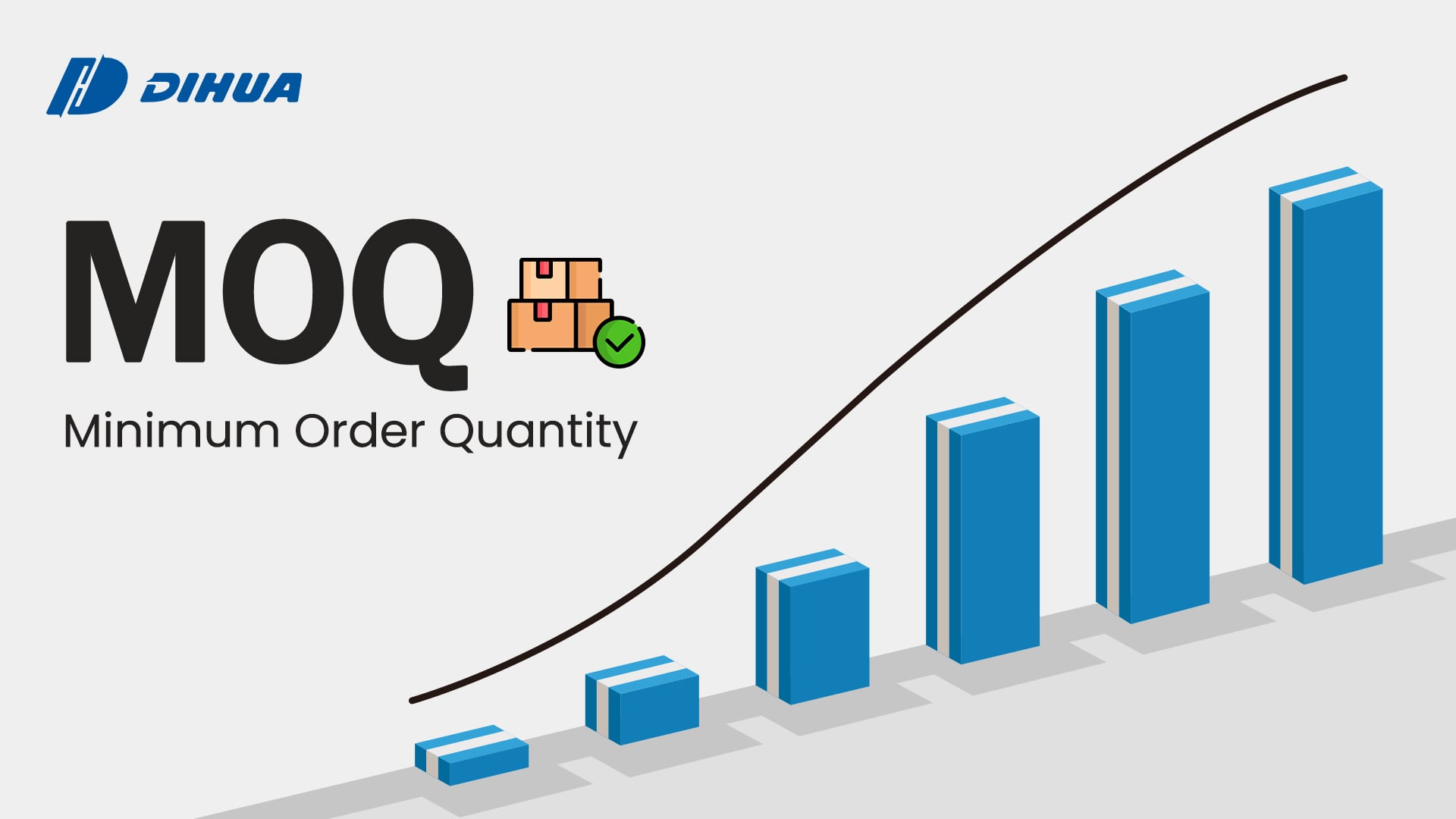
In toy manufacturing, minimum order quantities (MOQs) refer to the lowest number of units a supplier is willing to produce or supply for a given order.
MOQ is often misunderstood as a simple order threshold. In practice, MOQ is often the result of how toy suppliers balance operational efficiency, cost management, and production risk.
· Operational Efficiency
Even for small-batch orders, basic processes—such as line setup, machine adjustment, and production scheduling coordination—still need to be completed. When order quantities are too low, these fixed costs are spread across fewer units, driving up per-unit costs and reducing overall production efficiency.
· Cost Management
Costs such as raw materials, packaging procurement, labor coordination, and internal order processing do not scale down proportionally when order quantities decrease. When MOQs are set too low, these costs end up being spread across fewer units—resulting in a significant increase in per-unit cost. This leads to a more immediate business reality: Retail pricing becomes less competitive, margins shrink, and in many cases, profitability becomes difficult to achieve.
· Production Risk
When an order volume is too low, the project still require sourcing, scheduling, and coordination effort similar to a larger order, but with less room to accommodate disruption or inefficiency. In that case, the production risk increases.
MOQ is shaped by customization depth, tooling, materials, packaging, compliance, and production planning. However, for toy startup brands, customization depth is often the clearest way to find a realistic MOQ.
· ODM (light customization): 500–2,000 units per order
This level usually covers packaging, logo application, and branding elements while keeping the core product unchanged. Because it does not normally require new molds, major material changes, or substantial process adjustment, the MOQ is typically lower and more suitable for early market validation.
· Color or accessory combinations: 10,000–30,000 units per order
This level is positioned between ODM and OEM. MOQ often rises because the project may involve color variants or component bundling, and more demanding production planning than standard ODM.
· OEM (deep customization): 50,000–100,000 units per order
MOQ is usually highest when the project involves new tooling, structural modifications, or customized electronic solutions, since these changes affect development cost, production setup, and overall commercial feasibility more directly.
For toy startup brands, choosing a realistic MOQ is usually not just a pricing decision, but a broader commercial decision shaped by demand validation, financial capacity, product strategy, and supply chain considerations. The following practical steps can help toy startup brands find a realistic MOQ.
· Step 1: Validate Market Demand
Before setting an order quantity, startups need to confirm whether the product has a realistic chance of selling in the intended market. That includes understanding the target customer, price tolerance, channel fit, and competing products already in the market. If demand is still uncertain, locking into a large MOQ too early can create unnecessary inventory pressure.
· Step 2: Assess Financial Capacity and Inventory Risk
MOQ should also be assessed against what the business can realistically afford to purchase, store, and sell through. A larger order may reduce the unit cost, but it can also tie up more working capital, increase storage burden, and raise the risk of slow-moving stock. For early-stage brands, a more realistic MOQ is often the volume that can be financed and turned over without putting excessive pressure on cash flow.
· Step 3: Choose the Right Supplier Partner
Supplier choice can influence MOQ in practical ways. A supplier with relevant product experience, established product platforms, and stronger coordination ability may be better positioned to recommend a more realistic development path than one quoting only from a standard factory threshold. For startups, the right supplier partner is often important for making the project more executable at an early stage.
· Step 4: Start with One Core SKU and Simplify the Development Path
Rather than launching multiple variants at once, startups often benefit from beginning with one core SKU. This makes forecasting, purchasing, and sell-through analysis easier to manage. At the same time, working with the supplier to simplify the development path—such as using existing structures, standard materials, or simpler packaging—can help keep the project closer to an ODM model and lower the MOQ threshold.
· Step 5: Negotiate Batch Production
Where timing and product structure allow, startups can also discuss batch production or order consolidation with the supplier. This may help distribute tooling, packaging, testing, or production costs across a broader arrangement, instead of placing all the burden on one small standalone order.
Taken together, when toy startup brands choose an MOQ, the more realistic option is usually the order volume they can validate, finance, manage, and scale with greater confidence.
For toy startup brands, the supplier selection is closely tied to the MOQ. Dihua’s value in this context is less about offering one fixed MOQ and more about helping startups move from idea to execution through clearer customization choices, better planning, and broader sourcing support.
· Well-established OEM and ODM experience
For startup brands, MOQ is often linked to a question: should the project stay closer to ODM for faster validation and lower commitment, or move toward deeper OEM customization with higher development thresholds? This is where Dihua’s service model is relevant. By combining design, R&D, sourcing, quality, and compliance support, along with more than 24 years of industry experience, Dihua is better positioned to help startups evaluate which development path is more realistic at an early stage.
· Clearer MOQ ranges across customization tiers
A practical advantage for startup brands is that Dihua sets out clearer MOQ ranges across different customization tiers, instead of treating MOQ as a single fixed requirement, which helps startup brands assess more directly which customization level is realistic for their current budget, market-validation stage, and product plan.
· Flexible demand consolidation
For projects with higher MOQ requirements, Dihua can consolidate similar small-batch needs across multiple projects or clients, which makes it possible to share tooling, production processes, raw materials, molds, components, and packaging, helping reduce procurement barriers and capital pressure.
· Multi-SKU sourcing capability
Startup brands often need more than one core product over time. Dihua’s one-stop sourcing model includes 14+ million SKUs, 30,000+ cooperative factories, and product coverage across toys, baby products, sports and entertainment, gifts & crafts and school & office supplies. That broad sourcing base can support gradual assortment building and category expansion without forcing the brand to rebuild its supplier network from scratch.
Taken together, these experience and capabilities allow Dihua to support toy startup brands not only in product development, but also in finding a more realistic MOQ—one that better matches their customization path and sourcing structure at current stage.
For toy startup brands, the right MOQ is rarely the lowest one—it is the one that best matches the brand’s current stage, development path, budget, and launch plan. With the right guidance, MOQ can become a practical and manageable planning decision.
Dihua welcomes toy startup brands to visit its website(www.dihuatoys.com) and connect with the team for further discussion on a more realistic MOQ for their current stage.
We also look forward to meeting you at the 139th Canton Fair (May 1–May 5, 2026) and exploring potential opportunities for further cooperation.
 Hot News
Dihua specializes in sourcing,productdevelopment,production tracking,sales,and service.
Headquarters:
No.1 Leshan Road, Longhu District, Shantou, Guangdong, China
Hong Kong office:
Unit 2401,24/F, Million Fortune Industrial Centre, No.34-36 ChaiWan Kok Street, Tsuen Wan, NT, Hong Kong
Copyright © Shantou Dihua Trading Co.,Ltd. All Rights Reserved Privacy Policy
 EN
EN
 FR
FR
 JA
JA
 RU
RU
 ES
ES