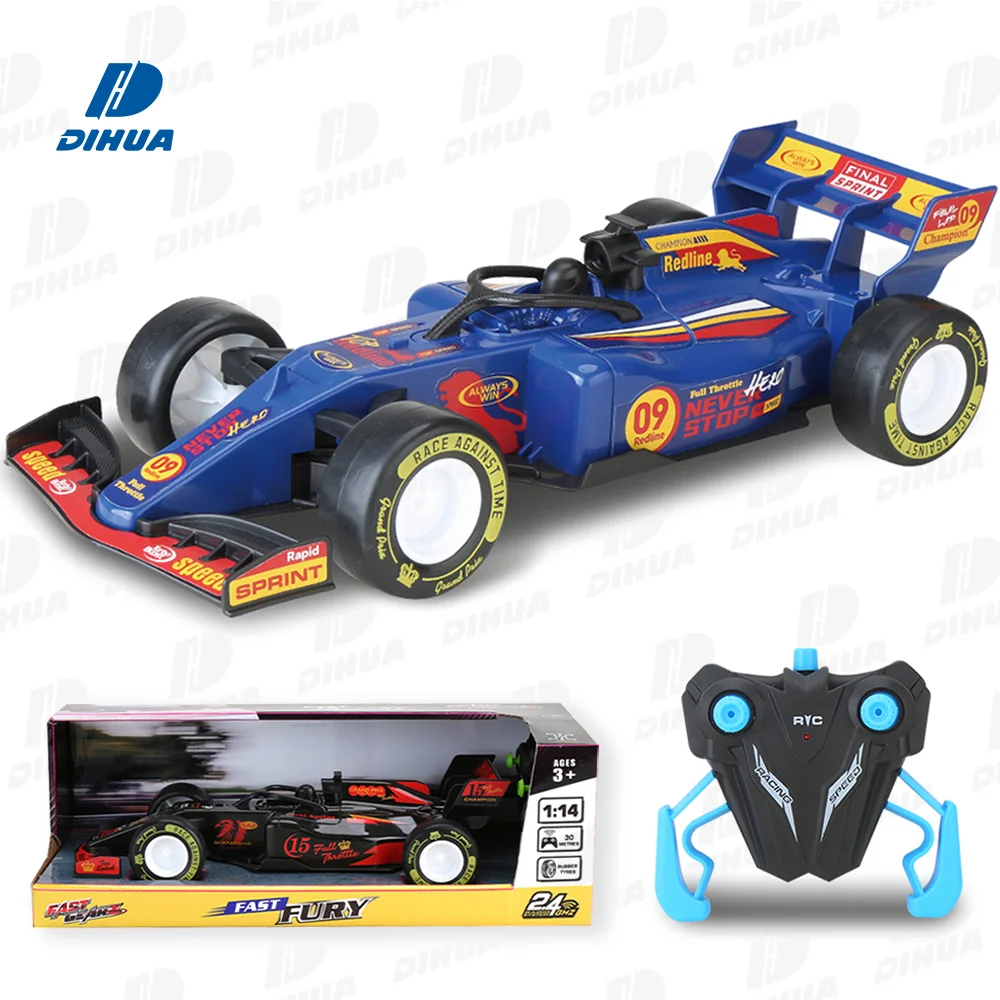
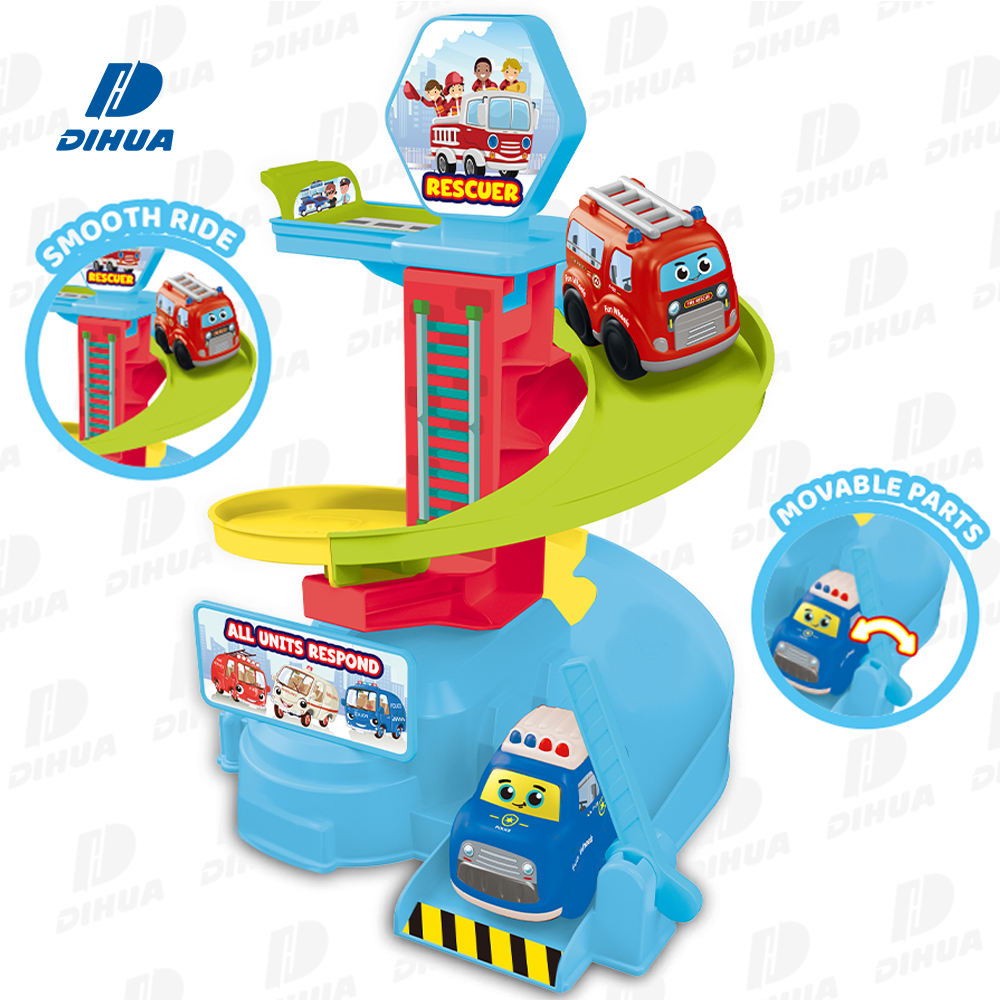
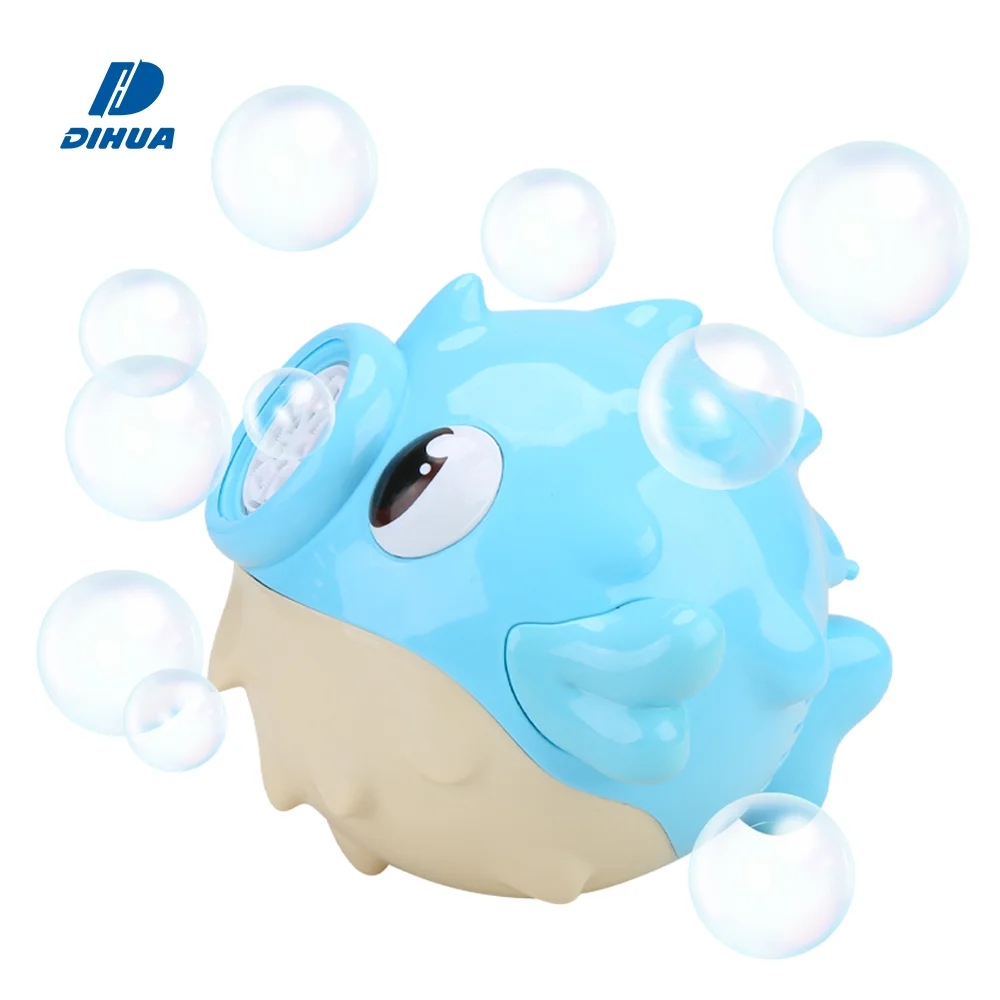
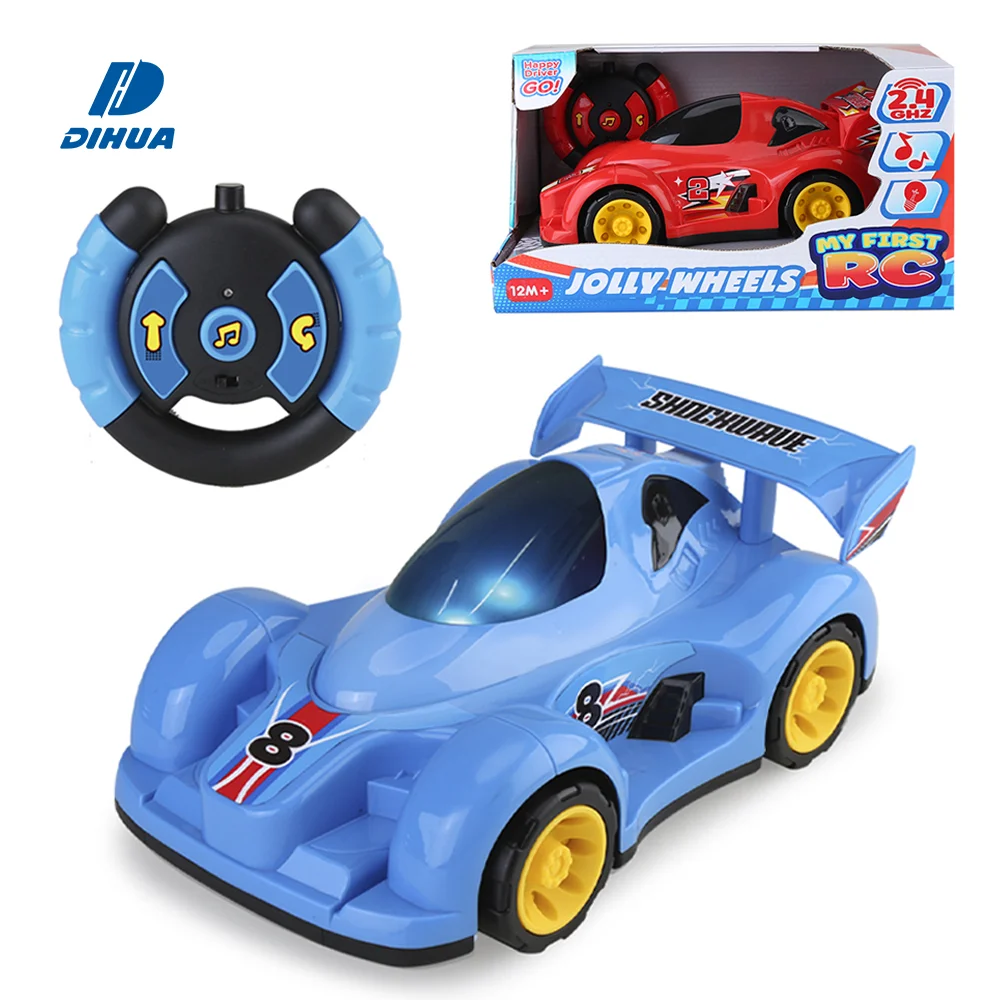
As retail assortments become increasingly commoditized, retailers are under growing pressure to differentiate their products in order to move beyond price-driven competition. For many retailers, OEM is no longer just a sourcing method, but a strategic tool for building proprietary product lines and accumulating long-term brand equity.
However, in toy OEM production, customization typically requires committing to a certain production volume upfront. Factories must schedule production lines, source raw materials, and complete the necessary testing and compliance preparations. These processes only become cost-effective and operationally efficient at scale, which is why higher minimum order quantities are often imposed.
As a result, smaller-volume retailers—particularly those focused on seasonal or trend-driven products—can face increased pressure from inventory buildup and capital lock-up when pursuing OEM projects. In such cases, the differentiation that OEM is meant to deliver may be offset by amplified operational and financial risk.
The issue is not whether OEM customization carries risk, but whether the level of customization is properly controlled. For most retailers, the primary objective of customization is not to fundamentally reinvent the product itself, but to achieve differentiation and pricing power. From a practical execution standpoint, not all forms of differentiation require deep customization that comes with higher risk and heavier upfront investment.
Based on the type and depth of customization, products can generally be categorized along the ODM–OEM spectrum:
· ODM (light customization):
Focuses primarily on surface-level differentiation such as packaging, logo application, or branding elements. Minimum order quantities typically range from 500 to 2,000 units.
· Color or accessory combinations:
Positioned between ODM and OEM, this level involves limited changes such as color variants or component bundling, and usually requires 10,000 to 30,000 units per order.
· OEM (deep customization):
Involves new tooling, structural modifications, or customized electronic solutions. This level of customization generally requires 50,000 to 100,000 units or more to be commercially viable.
By breaking customization into distinct tiers, retailers can clearly identify which changes truly impact the production structure and which primarily affect visual presentation and market positioning. For example, by keeping the core structure unchanged and focusing instead on color variations, accessory configurations, or differentiated packaging and logo applications, retailers can still create clear distinctions at the point of sale.
At the same time, for OEM projects that typically require higher volumes, Dihua addresses smaller retailers’ needs by systematically breaking down and consolidating “small-batch, differentiated” requirements. By clearly defining the MOQ thresholds at each customization tier and pooling similar demands across multiple projects or clients, Dihua enables shared use of tooling, production processes, and raw material resources, reducing procurement barriers and capital pressure for individual retailers. Through this execution model—front-end differentiation combined with back-end standardization—even small-volume orders remain cost-controlled and production-feasible, effectively transforming high-threshold OEM customization into an executable, profitable, and sustainable order model.
In today’s increasingly competitive toy retail market, products are becoming more alike, making it difficult to build long-term advantages through price alone. To establish clear differentiation, more and more retailers are turning to ODM and OEM customization to develop product assortments with distinct brand identity.
Through ODM—such as light customization of packaging and logo—retailers can quickly establish brand recognition. OEM, on the other hand, allows for deeper differentiation in areas such as appearance, color schemes, or functionality, helping build a more comprehensive proprietary product range. Whether through ODM or OEM, the goal of customization is not to change as much as possible, but to ensure the product aligns more closely with the retailer’s brand positioning and target audience.
For retailers, customization is not merely a sourcing approach, but an ongoing process of building proprietary product systems and long-term brand assets. By leveraging ODM and OEM, retailers can strengthen consumer recognition and pricing power, move beyond price-driven competition, and ultimately achieve more stable and sustainable profit margins.
In retail channels such as supermarkets, price and value-for-money are always the baseline requirements for products to secure shelf placement. Only when a competitive price structure is in place do factors such as visual design, play experience, and packaging presentation begin to influence purchasing decisions—both for buyers and end consumers.
It is within this framework that the value of OEM and ODM becomes clear. By customizing within a cost-controlled range, retailers can reinforce brand expression and shelf presence while maintaining strong price competitiveness, making products easier to recognize and choose in an increasingly crowded toy market—rather than competing on price alone.
While toy OEM customization can offer attractive margins, it also comes with supply-side constraints—most notably minimum order quantities (MOQs), which are often the first consideration for retailers.
In toy customization, ODM and OEM represent different levels of customization depth. While MOQ may appear to be a simple purchasing requirement, it actually reflects the balance between factory production efficiency and the operational flexibility retailers need.
· The Real Purpose Behind High MOQs in Manufacturing
In toy OEM production, high minimum order quantities are not a matter of factory preference, but a result of production, assembly, and compliance requirements—and are also necessary to ensure that small-batch customized orders remain commercially viable for retailers. Without considering MOQ, small-volume customization can easily drive unit costs too high, leaving products uncompetitive in the market and difficult to sell.
Dihua addresses this challenge by consolidating multiple small-batch orders, aligning similar customization requirements, and executing production in coordinated batches. This approach enables shared tooling and shared packaging, allowing retailers to retain customization while benefiting from the cost efficiencies of scaled production.
Specifically, the key factors that influence MOQ include:
· Tooling and assembly equipment utilization
Toy production relies heavily on plastic molds and assembly equipment. Small-volume orders for individual SKUs make it difficult to amortize upfront tooling investments. By consolidating multiple orders, Dihua maximizes mold utilization, reduces unit costs, and helps ensure products remain price-competitive at the retail level.
· Assembly complexity and component coordination
Many toys consist of multiple parts and subassemblies, with certain processes still requiring manual operations. Frequent production line changeovers reduce efficiency. By integrating multiple orders, Dihua maintains continuous and efficient production flows while still meeting retailers’ customization requirements.
· Safety and quality control
Toys must meet strict safety and durability standards. Stable, scaled production enables consistent testing and quality control processes, reducing variation and risk. This ensures that customized products offered by retailers maintain reliable and controllable quality.
· Compliance and testing costs
Toys are required to comply with standards such as EN71 and ASTM F963 and must be supported by appropriate compliance documentation. When testing costs are spread across small batches, unit prices can increase significantly. By consolidating multiple orders, Dihua distributes testing and certification costs more effectively, ensuring products remain both compliant and competitively priced.
In summary, the fundamental purpose of high MOQs is to balance manufacturing efficiency and compliance requirements while ensuring that small-batch customized orders remain differentiated, competitively priced, and commercially viable for retailers. Through Dihua’s order consolidation and planning approach, retailers are able to achieve customization, cost control, quality assurance, and market competitiveness at the same time.
· The Commercial Pressures Retailers Face
While high MOQs help ensure manufacturing efficiency and production stability on the factory side, they often create significant pressure at the retail level—particularly for small and mid-sized toy retailers operating seasonal or trend-driven product lines. These pressures are most commonly reflected in the following areas:
Upfront capital and inventory burden
Higher per-SKU order volumes require greater upfront capital investment and increase inventory exposure. For products with short selling cycles or strong seasonality, this can constrain cash flow and limit purchasing flexibility.
Cash flow and time-to-market impact
Larger production commitments tend to extend inventory turnover cycles and lengthen planning and decision-making processes. As a result, retailers may find it harder to respond quickly to shifting trends, licensing schedules, or seasonal launch windows.
In summary, MOQ serves as a structural requirement for OEM and ODM manufacturers to ensure production efficiency, cost control, and regulatory compliance, while simultaneously amplifying pressure on retailers in terms of capital commitment, inventory exposure, and market responsiveness. For retailers, MOQ is not simply a purchasing threshold, but a practical challenge that requires balancing cost control, profit margins, customization-driven differentiation, and market flexibility.
Even retailers with smaller purchasing volumes can reduce the MOQ risk borne by individual SKUs through well-structured procurement strategies—without sacrificing customization.
Order consolidation is central to achieving this objective. By bringing toy products with similar manufacturing processes and compliance requirements into a unified production plan, fixed costs such as development, tooling, and testing can be distributed across the broader product portfolio. This effect is particularly pronounced when different SKUs share comparable production workflows—such as plastic assembly toys that utilize common molds, components, or accessories. Through this approach, retailers can preserve product differentiation while reducing per-SKU investment risk, allowing MOQ to support overall production and sourcing efficiency without sacrificing flexibility.
Dihua’s role is to consolidate multiple small-batch ODM and OEM orders into production plans that factories can execute at scale, enabling shared use of molds, components, and manufacturing processes. This approach reduces unit costs while improving production efficiency. At the same time, Dihua typically works with clients six to twelve months in advance on product development, planning design, packaging, and production early to ensure feasibility validation is completed well before market launch.
Through this combination of order consolidation and forward-looking development, retailers are able to maintain differentiation and flexibility while effectively controlling investment risk and costs—ultimately maximizing product pricing, profitability, and overall commercial value.
In today’s toy retail landscape, OEM and ODM customization have become established strategic approaches for retailers seeking differentiation, pricing power, and long-term brand value. At the same time, minimum order quantities remain a reality—rooted in manufacturing efficiency, cost control, and regulatory compliance—rather than an arbitrary barrier imposed by factories.
The real challenge, therefore, is not how to avoid MOQ, but how to work with it intelligently. By clearly defining customization tiers, consolidating compatible orders, and aligning production planning with market timelines, retailers can achieve meaningful differentiation without exposing individual SKUs to excessive cost or risk.
Through order consolidation and forward-looking development, Dihua helps bridge the gap between factory-scale requirements and retail-side flexibility—transforming high-MOQ constraints into executable, profitable, and sustainable sourcing models. In doing so, retailers are able to balance customization, cost control, quality assurance, and market responsiveness, turning OEM and ODM from challenges into long-term competitive advantages.
We invite retailers to meet with us at the 2026 Hong Kong Toys & Games Fair.
 Hot News
Dihua specializes in sourcing,productdevelopment,production tracking,sales,and service.
Headquarters:
No.1 Leshan Road, Longhu District, Shantou, Guangdong, China
Hong Kong office:
Unit 2401,24/F, Million Fortune Industrial Centre, No.34-36 ChaiWan Kok Street, Tsuen Wan, NT, Hong Kong
Copyright © Shantou Dihua Trading Co.,Ltd. All Rights Reserved Privacy Policy

 EN
EN
 FR
FR
 JA
JA
 RU
RU
 ES
ES