- Página de inicio
- Marca
- Productos
- Sobre Nosotros
- Blog
- Contáctenos

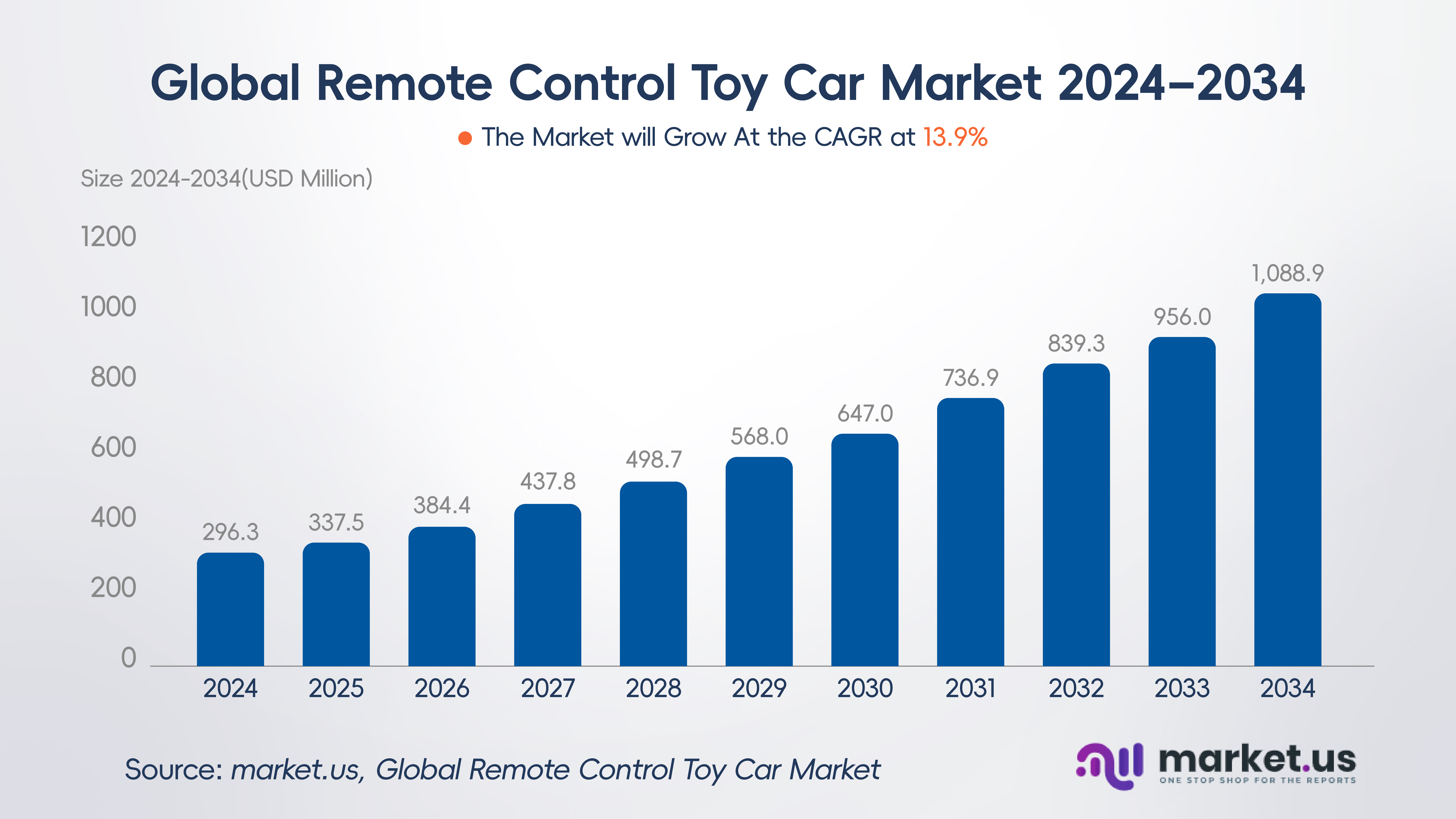
De acuerdo con el Mercado global de coches de juguete teledirigidos según Market.us, se prevé que el mercado global de coches de juguete teledirigidos crezca a una tasa anual compuesta (CAGR) del aproximadamente 13,9 % entre 2025 y 2034 , lo que indica una expansión constante de la categoría.
Sin embargo, para los minoristas, el crecimiento de la categoría de coches de juguete teledirigidos no se traduce automáticamente en un rendimiento de ventas constante. El desempeño a nivel de SKU dentro de este segmento puede variar considerablemente en términos de rotación de inventario, eficiencia del espacio en estantería y rendimiento posventa, entre otros factores. Por consiguiente, el rendimiento general de la categoría de coches de juguete teledirigidos depende en gran medida de la calidad de la selección inicial de productos.
Por esta razón, al planificar una gama de coches teledirigidos para niños pequeños, se recomienda cada vez más a los minoristas aplicar un marco más estructurado y claramente definido para seleccionar dichos coches. Esto puede ayudar a mejorar la eficiencia de la selección y apoyar un rendimiento más estable de la categoría con el paso del tiempo. En la práctica, dicho marco suele construirse en torno a seis dimensiones clave: rango de precios, adecuación por edad, requisitos de seguridad y cumplimiento normativo, eficiencia en el uso del espacio en estantería, devoluciones y reclamaciones, y escalabilidad de la gama .
Un marco estructurado de selección ayuda a los minoristas a pasar de decisiones basadas en la intuición a decisiones coherentes e informadas por datos. A continuación se presentan seis dimensiones clave que, en conjunto, definen un marco práctico y aplicable para evaluar coches teledirigidos para niños pequeños.
En la categoría de coches teledirigidos para niños pequeños, el precio no es simplemente un resultado final, sino a menudo una entrada inicial que define el producto. Para los minoristas, la franja de precios seleccionada influye típicamente en la funcionalidad del producto, el segmento de consumidores objetivo y la posición comercial prevista.
Diferentes franjas de precios suelen reflejar estrategias comerciales distintas:
· Franja de precio de entrada (9,99–14,99 USD) : Compras impulsivas principalmente, donde los consumidores priorizan el funcionamiento intuitivo, la facilidad de uso y la durabilidad básica por encima de funciones avanzadas.
· Franja de precio medio (19,99–29,99 USD) : Segmento altamente competitivo en el que resulta esencial contar con puntos de venta claros y tangibles para respaldar la diferenciación y la conversión.
· Franja superior (39,99 USD o más) : Enfocada más bien en la calidad percibida y la coherencia de la experiencia de usuario. Una pequeña discrepancia en la experiencia percibida tiende a provocar devoluciones.
En la práctica, el bajo rendimiento no se debe a menudo únicamente al producto en sí, sino más bien a una falta de coincidencia entre la franja de precios y la posición del canal por ejemplo, un juguete con características complejas ubicado en la franja de bajo precio tiende a tener una baja tasa de rotación.
Para los minoristas, la primera pregunta en la planificación de la gama de productos no es «¿cuál es el valor de un coche teledirigido para niños pequeños?», sino más bien «¿cómo debería ser un coche teledirigido para niños pequeños en una franja de precio determinada?»
Los coches teledirigidos para niños que se ajustan a la edad de los pequeños y al desarrollo cognitivo y motor correspondiente suelen ofrecer una experiencia más fluida en el primer uso, lo que puede ayudar a reducir las devoluciones y las quejas causadas por dificultades operativas. En el caso de los coches teledirigidos para niños pequeños, la adecuación a la edad se centra en la facilidad de uso y la operación intuitiva.
Los requisitos de seguridad y cumplimiento son esenciales para acceder a los canales de venta minorista convencionales. Para los minoristas, el enfoque no radica únicamente en el acceso al mercado, sino también en mantener un cumplimiento constante durante todo el ciclo de vida comercial del producto.
En entornos minoristas, las visibilidad del producto, posicionamiento temático claro y atractivo interactivo influyen directamente en la eficiencia del espacio de exhibición. Los productos con una fuerte identidad visual y una presentación atractiva en tienda tienden a aumentar el tiempo de permanencia del consumidor y pueden mejorar la tasa de conversión en el punto de venta.
Para juguetes infantiles de uso frecuente, la estabilidad estructural y la durabilidad del material están estrechamente vinculadas al rendimiento posventa. La evaluación temprana de estos factores ayuda a los minoristas a reducir las tasas potenciales de devolución, minimizar las quejas de los clientes y disminuir los costes operativos de manipulación.
Más allá del rendimiento individual del producto, la capacidad de integrarse en una estrategia más amplia de gama también constituye un factor importante a considerar. Para los minoristas, los productos con mayor escalabilidad pueden respaldar mejor la escalera de precios, los juegos de regalo, la mercadotecnia temática y las estrategias de expansión más amplias de la categoría .
En conjunto, las seis dimensiones anteriores conforman un marco de surtido básico para coches teledirigidos (RC) para niños pequeños que ofrece un sólido valor práctico a nivel minorista. Asimismo, proporcionan una base más clara para evaluar la idoneidad minorista de productos individuales en etapas posteriores.
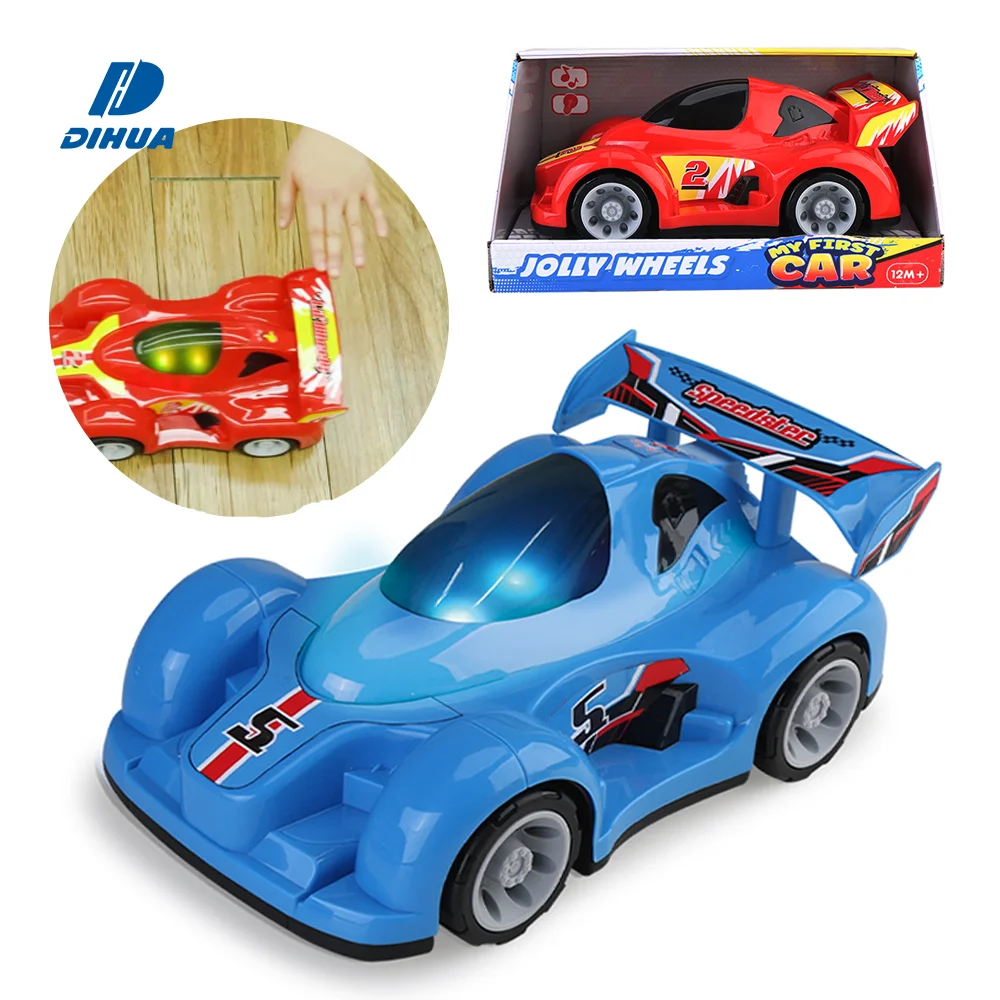
Basado en el marco de seis dimensiones anterior, Dihua ha desarrollado los Jolly Wheels coches teledirigidos (RC) para niños pequeños. Para los minoristas, este producto está diseñado para mejorar la adaptación al mercado y apoyar un rendimiento más constante de la categoría.
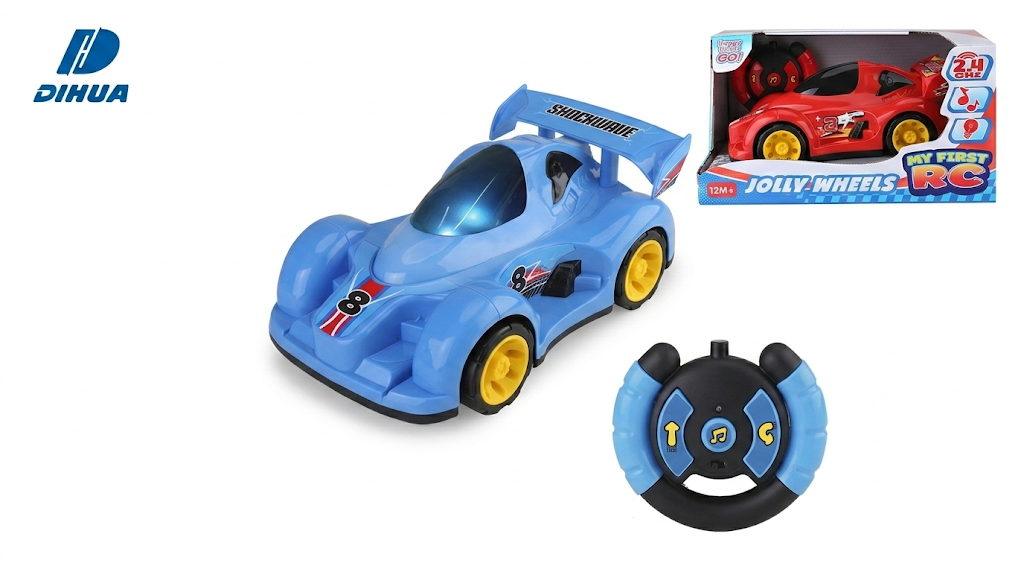
Jolly Wheels se ha desarrollado teniendo en cuenta las diferencias de los consumidores en los principales mercados internacionales, incluidos Europa y Estados Unidos . Durante el desarrollo del producto, Dihua considera las estructuras competitivas locales, las preferencias de uso y las expectativas de los consumidores, con el objetivo de garantizar que el producto mantenga su adaptabilidad en distintos entornos minoristas con un nivel relativamente constante de aceptación en el mercado.
Jolly Wheels incorpora un mando a distancia con forma de volante combinado con controles mediante botones grandes, adaptado a la edad de los niños pequeños en cuanto a sus capacidades cognitivas y motoras. El mecanismo de dirección ayuda a los niños pequeños a comprender de forma más intuitiva la relación entre la entrada de control y el movimiento direccional, mientras que el diseño con botones grandes facilita su manipulación .
Desde una perspectiva comercial, este diseño contribuye a una experiencia inicial más fluida y puede reducir potencialmente las devoluciones o reclamaciones relacionadas con dificultades operativas.
Los materiales de alta durabilidad garantizan un rendimiento constante incluso con un uso frecuente. Jolly Wheels incorpora borde redondeado y un diseño que carece de piezas pequeñas para reducir los posibles riesgos para la seguridad de los niños pequeños.
Estos atributos estructurales cumplen con los requisitos comunes de seguridad y conformidad en los principales mercados objetivo.
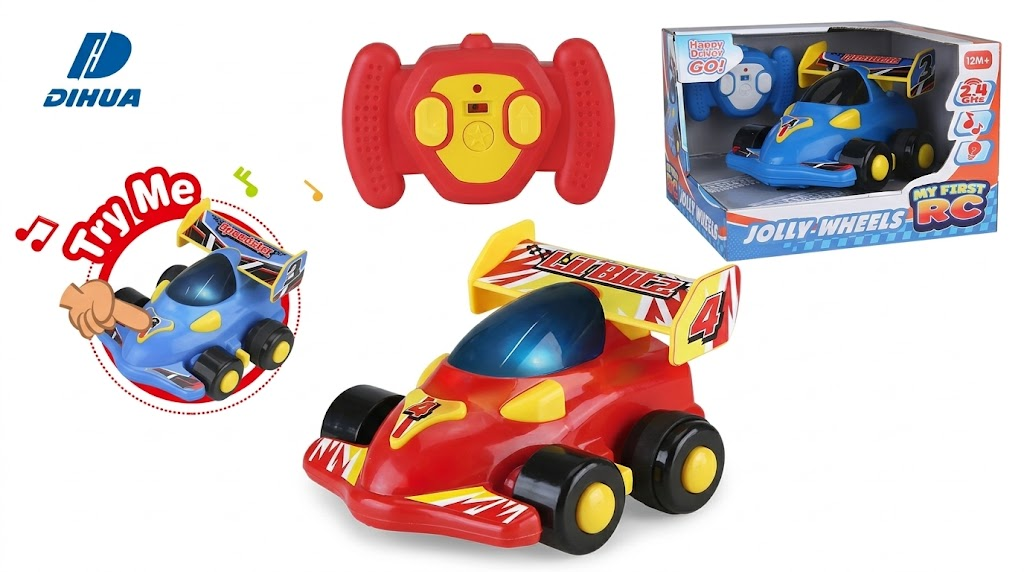
Jolly Wheels integra un tema de carreras diseño con Funcionalidad interactiva «Prueba este producto» y efectos de luz y sonido, lo que ayuda al producto a destacar dentro de su categoría. Estas características están diseñadas para incrementar la implicación visual y fomentar la interacción del consumidor en el punto de venta.
Para los minoristas que priorizan la eficiencia del espacio en estantería y la conversión en tienda, este diseño aumenta el tiempo de permanencia y potencia la consideración de compra.
Los casos de devolución y reclamación en esta categoría suelen estar vinculados no solo a defectos del producto, sino también a problemas de usabilidad, como dificultad de manejo o expectativas del usuario no satisfechas. Jolly Wheels equilibra la facilidad de uso, la estabilidad estructural y la durabilidad de los materiales para ayudar a reducir la presión postventa derivada de un uso inadecuado o del desgaste provocado por el juego frecuente.
Jolly Wheels sirve tanto como un coche de juguete RC independiente de nivel de entrada como parte de estrategias más amplias de comercialización, incluidas cuentas de regalo, surtidos estacionales y líneas de productos temáticos .
Para los minoristas, esta flexibilidad apoya la escalada de precios y la expansión de categorías dentro del surtido general de juguetes.
En conjunto, Jolly Wheels ofrece una sólida alineación con el canal minorista en términos de franja de precio, adecuación por edad, requisitos de seguridad y cumplimiento normativo, eficiencia en el uso del espacio en estantería, devoluciones y reclamaciones, y escalabilidad del surtido. Esto lo convierte en un punto de referencia práctico para los minoristas que evalúan coches RC de nivel de entrada destinados a niños pequeños.
Para los minoristas, la selección de coches teledirigidos para niños pequeños depende no solo del producto en sí, sino también de la capacidad del proveedor para garantizar un desarrollo constante, una gestión anticipada del control de riesgos y el apoyo a la composición de la gama y a la logística de entrega, entre otros aspectos. Dihua aporta valor más allá de los SKUs individuales mediante tres capacidades: desarrollo estructurado y gestión de proyectos, control de calidad integral con cumplimiento previo y construcción de la gama e integración de la cadena de suministro. Dihua ayuda a los minoristas a mejorar la eficiencia en la selección e incrementar la previsibilidad en la ejecución del programa de coches teledirigidos para niños pequeños.
Dihua ofrece capacidades tanto de ODM como de OEM, brindando un apoyo estructurado al desarrollo de proyectos de coches teledirigidos para niños pequeños desde la definición del concepto y el diseño estructural hasta la fabricación de prototipos, la validación de conformidad y la preparación para la producción para el desarrollo de coches teledirigidos para niños pequeños, Dihua integra desde el principio los requisitos clave, como la franja de precios, la adecuación a la edad, los requisitos de seguridad y cumplimiento normativo, la eficiencia del espacio en estantería, las devoluciones y las quejas, y la escalabilidad de la gama, en lugar de realizar ajustes iterativos tras la finalización de los prototipos. Al mismo tiempo, Dihua utiliza la gestión por hitos para impulsar los proyectos a un ritmo controlado, reduciendo la sobrecarga comunicativa y mejorando la estabilidad y la capacidad de control del proceso de desarrollo.
Para los proyectos de juguetes para niños pequeños, los minoristas suelen preocuparse no solo por si un producto puede superar las inspecciones finales, sino también por si los riesgos relacionados con la calidad y el cumplimiento normativo pueden identificarse y controlarse en una etapa temprana. Dihua ha establecido un sistema de control de calidad que abarca todo el proceso, desde el desarrollo y la selección de materias primas hasta el control de producción en curso, la producción en masa, las pruebas del producto terminado y las pruebas en el laboratorio interno. Dentro de este sistema, el laboratorio interno desempeña un papel fundamental al permitir pruebas y evaluaciones de cumplimiento en etapas tempranas, creando una vía de validación más clara en torno a normativas clave como EN71, ASTM y CPSIA , lo que reduce la incertidumbre durante las introducciones en múltiples mercados y proporciona una garantía fundamental para un rendimiento minorista consistente.
Para los minoristas, los coches teledirigidos para niños pequeños normalmente no se adquieren como SKUs independientes, sino que deben planificarse dentro de una estructura más amplia que incluye franjas de precios, colecciones temáticas y configuraciones de exposición en estanterías. Con 25 años de experiencia su experiencia en el desarrollo y la exportación de juguetes, Dihua puede ofrecer ideas estructuradas de surtido en distintos niveles de funcionalidad, franjas de precios y temas, ayudando a los minoristas a establecer una arquitectura de estanterías más clara y clasificaciones por categoría que apoyen la planificación a largo plazo del portafolio de productos. Al mismo tiempo, las capacidades de integración de la cadena de suministro de Dihua garantizan agilidad y estabilidad en la entrega en escenarios que implican múltiples SKUs, múltiples pedidos y reposición continua, reduciendo así los riesgos de inventario y ejecución derivados de las fluctuaciones en el suministro.
En conjunto, el valor fundamental de Dihua en los proyectos de coches teledirigidos para niños pequeños no radica en una única capacidad desde el punto de vista de la fabricación, sino en el desarrollo estructurado y la gestión de proyectos, el control de calidad integral a lo largo de toda la cadena y la conformidad anticipada, así como en la construcción de surtidos y la integración de la cadena de suministro; lo que brinda a los minoristas un sistema de apoyo para la selección de productos que ofrece una mayor certeza en su ejecución. Para los minoristas que necesitan equilibrar la adecuación del producto, la estabilidad normativa y las operaciones continuas de la categoría, este tipo de capacidad sistemática suele resultar más valiosa para la cooperación a largo plazo que una ventaja meramente unidimensional basada en el precio.

Para los minoristas, la selección de la categoría adecuada de coches teledirigidos para niños pequeños debe guiarse mediante un marco que incluya la franja de precios, la adecuación a la edad, los requisitos de seguridad y cumplimiento normativo, la eficiencia del espacio en estantería, las devoluciones y reclamaciones, y la escalabilidad de la gama de productos. Al mismo tiempo, se debe considerar si el proveedor cuenta con capacidades en desarrollo estructurado y gestión de proyectos, control de calidad integral y cumplimiento normativo previo al lanzamiento, así como en la construcción de la gama de productos y la integración de la cadena de suministro.
Para los minoristas que actualmente están planificando una línea de productos de coches teledirigidos para niños pequeños, por favor visite el sitio web oficial de Dihua ( www.dihuatoys.com ) para evaluar con mayor detalle la idoneidad de los productos y analizar los requisitos del proyecto. Los compradores de juguetes que planean asistir a la Feria de Cantón de Primavera de 2026 son bienvenidos a visitar a Dihua Toys en el stand 17.1 B34–35 C10–11 para tratar personalmente con el equipo de Dihua temas relacionados con la selección de coches teledirigidos para niños pequeños, la planificación de la cartera de productos y las oportunidades de cooperación.
 Noticias destacadas
Dihua se especializa en abastecimiento, desarrollo de productos, seguimiento de producción, ventas y servicio.
Sede:
No.1 Leshan Road, Longhu District, Shantou, Guangdong, China
Oficina de Hong Kong:
Unidad 2401, 24/F, Million Fortune Industrial Centre, No.34-36 ChaiWan Kok Street, Tsuen Wan, NT, Hong Kong
Contactar al Vendedor: [email protected]
Gerente de Negocios: [email protected]
Derechos de autor © Shantou Dihua Trading Co., Ltd. Todos los derechos reservados POLÍTICA DE PRIVACIDAD
 EN
EN
 FR
FR
 JA
JA
 RU
RU
 ES
ES